Full Tank Pump-Out
We vacuum the grease cap, liquid, and solids down to the tank floor with a grease trap pump and 3-inch hose. A 500-gallon tank takes 20 to 35 minutes to empty. Nothing is left floating when we finish.
Grease interceptor cleaning Greer SC is the scheduled pump-out, scrape-down, and disposal service that keeps commercial kitchens from backing up, smelling, or failing a health inspection. We handle restaurants, cafeterias, churches, and food trucks across Greer and Greenville County. If your interceptor is full, slow, or overflowing, we get it clean the same day and haul the waste off legally.
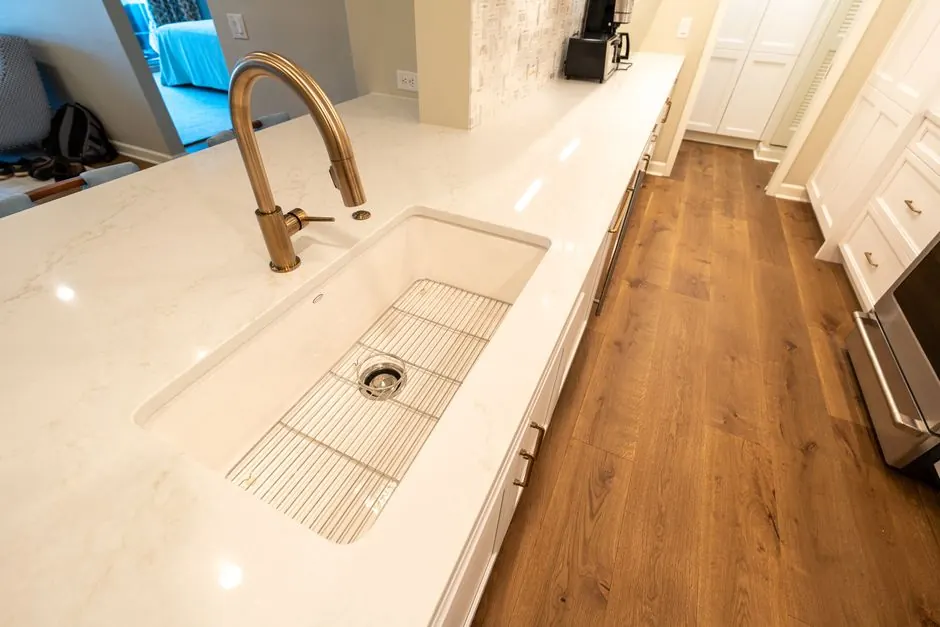
Grease interceptor cleaning Greer SC is the full pump-out and manual scrape-down of the concrete or steel tank that traps fats, oils, and grease before they reach the sanitary sewer. We open the lid, measure the grease cap and solids depth, vacuum the tank with a grease trap pump, scrape the walls and grease trap baffles, and jet the inlet and outlet lines clear. The waste goes to a permitted disposal facility, and you get a manifest for your records.
Greer kitchens run hard. Downtown Greer and Greer Station restaurants on South Main and Victoria serve breakfast through late dinner, which means fryer oil, dish spray, and dairy fat hit the interceptor all day. Add summer heat that liquefies grease and winter holidays that triple cooking volume, and a tank that was fine in March can be overflowing by October. That is why grease interceptor pumping Greer SC on a fixed schedule beats waiting for a backup.
Every Greer pump-out covers the tank, the baffles, the inlet and outlet lines, and the disposal paperwork. Add-ons like hydro jetting or camera inspection are quoted only if the line needs them, and we tell you before we start.
We vacuum the grease cap, liquid, and solids down to the tank floor with a grease trap pump and 3-inch hose. A 500-gallon tank takes 20 to 35 minutes to empty. Nothing is left floating when we finish.
Hand scraping removes the grease film that pumping leaves behind. We scrape the walls, the inlet and outlet tees, and the grease trap baffles. Skipping this step is why some tanks smell again in three weeks.
We run a sewer jetter hose through the inlet and outlet lines to clear grease that has pushed past the tank. This is the step that stops a slow kitchen drain from becoming a Friday night backup.
We measure the grease cap and solids depth before and after pumping with a sludge judge. Those numbers tell you exactly how full the tank was and set the date for your next service.
The waste goes to a permitted treatment facility, and you receive a manifest showing the date, volume, and receiving site. That document satisfies health inspectors and grease hauler audits.
If your kitchen drain was slow before we arrived, we run a sewer camera down the line to check for grease dams, scale buildup, or root intrusion. You see the footage on the monitor and get a straight answer on whether jetting is needed.
We find the lid, pop it with a lid key, and measure the grease cap, solids, and total liquid depth with a sludge judge. That reading tells us whether you need a full pump-out or a partial, and it gives you a baseline number for the next visit. Takes about 10 minutes.
Our vacuum truck pulls the grease, water, and solids through a 3-inch hose into a 2,000-gallon holding tank. A 500-gallon interceptor takes 20 to 35 minutes to empty depending on how much hardened grease is stuck to the walls. We do not leave until the tank is down to the bottom.
Pumping alone leaves a film on the walls and baffles that re-seeds the tank in weeks. We scrape the sides, the inlet and outlet tees, and the grease trap baffles by hand, then jet the inlet and outlet lines with a sewer jetter hose to clear any grease that pushed downstream.
If the kitchen drain was slow before we arrived, we run a sewer camera down the line to check for grease buildup, scale buildup, or root intrusion past the interceptor. You see the footage on the monitor. If the line needs hydro jetting, we quote it before we start.
We haul the waste to a permitted treatment facility and hand you a disposal manifest with the date, volume, and receiving site. That paper is what your health inspector and your grease hauler auditor want to see. Total on-site time runs 45 to 90 minutes for most Greer kitchens.
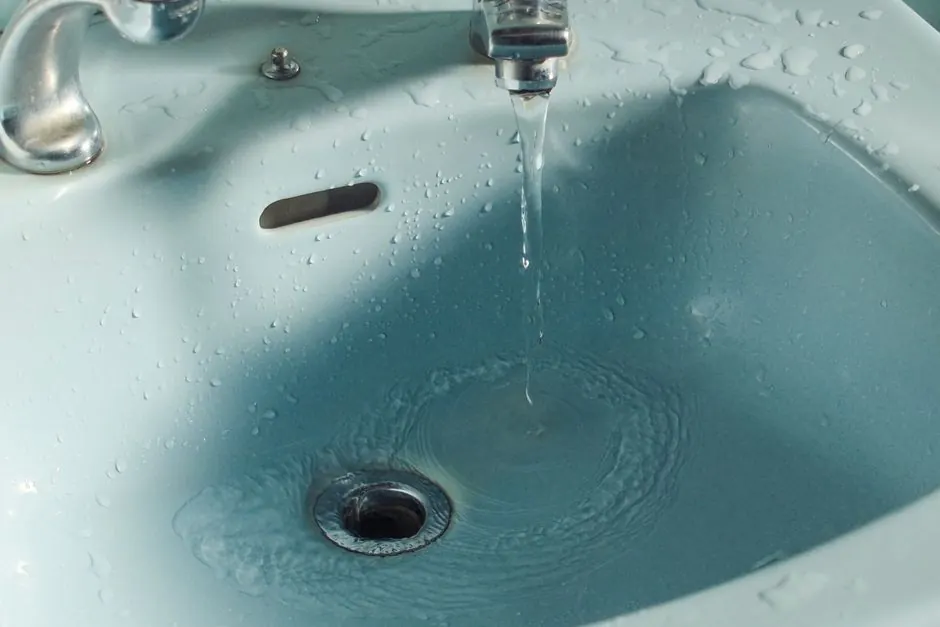
We find the lid, pop it with a lid key, and measure the grease cap, solids, and total liquid depth with a sludge judge. That reading tells us whether you need a full pump-out or a partial, and it gives you a baseline number for the next visit. Takes about 10 minutes.
A 2,000-gallon vacuum truck with a 3-inch hose pulls grease, water, and solids from tanks up to 2,000 gallons. It empties a 500-gallon interceptor in 20 to 35 minutes.
A high-pressure sewer jetter hose scours grease off inlet and outlet lines and kitchen drain pipe. It restores flow in lines a drain snake cannot fully clear.
A sewer camera on an inspection crawler shows the inside of the line past the interceptor. We use it to find grease dams, scale buildup, bellied pipe, and root intrusion.
Ridgid and Spartan Tool augers, rooter machines, and cables handle the drain snaking and root cutting that sometimes follows an interceptor pump-out on Greer commercial lines.
A sludge judge measures the grease cap, solids, and total liquid depth in the tank. Those numbers set your next service date and prove the 25 percent rule is being followed.
A hydro jetting machine delivers 3,000 to 4,000 PSI to cut grease and scale from kitchen lines. It is the standard follow-up after pumping a heavily loaded Greer interceptor.
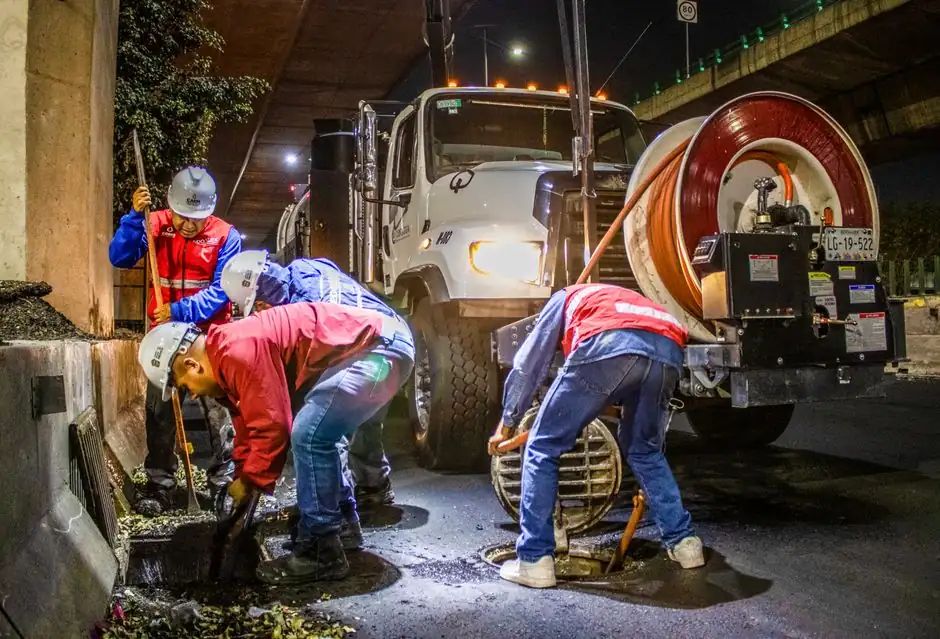
A downtown Greer restaurant called at 11 a.m. on a Friday with grease backing into the dish pit. The 750-gallon interceptor had a 9-inch grease cap and the outlet tee was fully blocked. The kitchen was closed and losing lunch revenue.
After: We pumped 620 gallons, scraped the walls and baffles, and jetted the outlet line clear. The kitchen reopened by 2 p.m. the same day. Cap depth measured 0 inches after the scrape, and the disposal manifest showed the full volume hauled.
Book this service →A Greer Station brewery kitchen had a three-compartment sink draining in 90 seconds instead of 15. The interceptor was only half full, but the line past the tank was packed with hardened grease and scale buildup from two years without jetting.
After: We pumped the tank, then hydro jetted 40 feet of kitchen line with a sewer jetter hose. The camera showed bare pipe after jetting. Drain time dropped back to 15 seconds, and the floor drain stopped backing up during weekend service.
Book this service →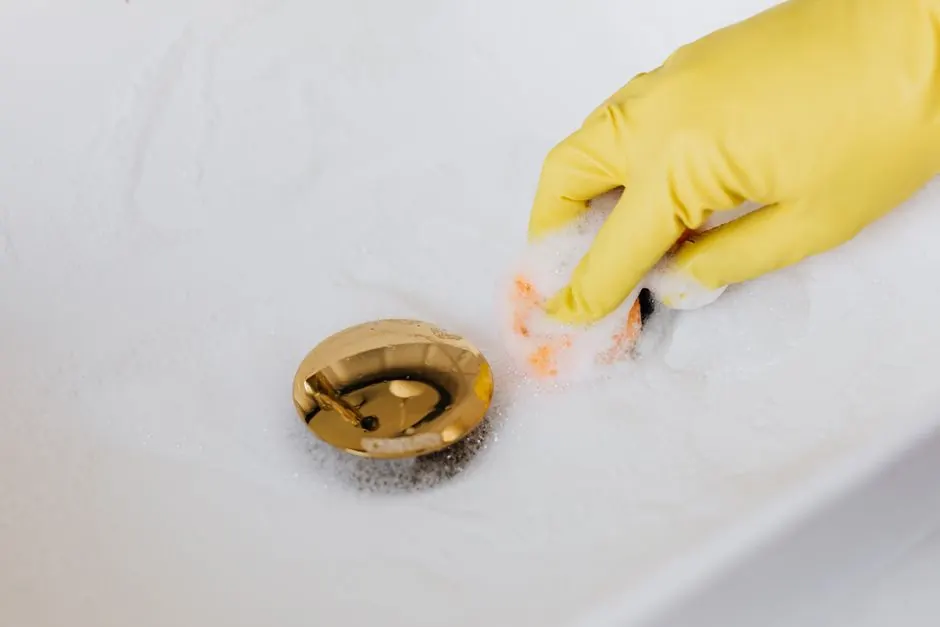
A food truck operator on Taylors Road was paying for a 50-gallon under-sink pump-out every two weeks. The outlet tee was half blocked with hardened grease, so the unit filled faster than its volume should have allowed.
After: We cleared the blocked tee with a jetter and pumped the unit. With the tee open and an enzyme drain cleaner routine in place, the operator moved to a six-week pump-out interval. Annual grease cost dropped by more than half.
Book this service →Most Greer interceptor calls come down to one of these four failures. Each one has a fix, and each one is cheaper to solve before it hits the kitchen floor.
Ask a pro →We pump the tank the same day, scrape the walls and baffles, and jet the inlet and outlet lines. If the floor drain grate is clogged with grease, we clear that too. Most Greer overflow calls are back in service within three hours.
We camera the line to find the grease dam, then hydro jet it with a sewer jetter hose. Jetting scours the pipe back to bare metal, which a drain snake cannot do. You get full flow and a clean interceptor in one visit.
A full pump-out and scrape removes the food source. We rinse the tank and check the outlet tee for blockage. If odor persists, we camera the line for a downstream clog or a broken baffle that is letting grease escape.
We pump, scrape, and measure the cap, then leave a disposal manifest with the date and volume. That paperwork shows the inspector the tank was serviced and the waste was legally hauled. Most rechecks pass without a second issue.
$250 - $650 per pump-out for most Greer commercial tanks, with emergency and oversized jobs running higher
Typical 2026 pricing for grease interceptor cleaning in Greer SC runs $250 to $650 per pump-out for most commercial tanks, with larger or heavily loaded units costing more. Emergency same-day grease interceptor pumping Greer SC after hours carries a premium because we pull a truck off route. We quote your tank before we pump, so there is no surprise on the invoice. Scheduled customers pay less per visit than emergency callers, and the annual difference is significant.
A scheduled pump-out costs a fraction of an emergency call plus a closed kitchen. Greer operators on a maintenance route spend less per year and never lose a dinner rush to a grease overflow. The manifest also keeps you clean with the health department.
A 500-gallon interceptor takes 20 to 35 minutes to pump; a 1,500-gallon tank takes over an hour and uses more truck capacity. Larger tanks cost more per visit but often need service less often.
Get a quote ↗A tank at the 25 percent rule pumps quickly. A tank with a thick hardened cap and heavy solids takes longer to scrape and may require a second rinse. Depth is the single biggest driver of labor time.
Get a quote ↗A buried lid, a bolted lid, or a tank under a parked car adds time. We charge for the extra labor, not for the pump-out itself. Keeping your lid accessible saves money on every visit.
Get a quote ↗If the kitchen line past the interceptor is clogged, hydro jetting adds to the ticket. We quote it before we start and show you the camera footage so you know why it is needed.
Get a quote ↗“Our 750-gallon interceptor was overflowing into the dish pit on a Friday. Drain Cleaning Pros had a truck out by 2 p.m., pumped it, scraped the walls, and jetted the kitchen line. The manifest showed 620 gallons hauled. We have been on a monthly schedule since and have not had a backup in two years.”
Marcus T.Restaurant Owner, Downtown Greer
✓ Verified“The health inspector flagged our grease cap depth during a routine visit. We called on a Tuesday and they were out Wednesday morning. They measured the cap, pumped the tank, and left the disposal paperwork the inspector wanted. We passed the recheck with no issue and now they come every six weeks.”
Angela R.Cafeteria Manager, Greer Station
✓ Verified“My 50-gallon under-sink unit was backing up every two weeks. They found the outlet tee was half blocked with hardened grease and cleared it with a jetter. They also set me up with an enzyme drain cleaner schedule. I have gone from biweekly pump-outs to every six weeks, which saves real money.”
Danny K.Food Truck Operator, Taylors Road
✓ VerifiedMost Greer pump-outs run $250 to $650 in 2026, depending on tank size, grease depth, and access. A 500-gallon interceptor with a normal cap sits near the low end; a 1,500-gallon tank with heavy solids or a buried lid pushes toward the high end. Emergency calls after hours cost more. We quote before we pump.
Most Greer restaurants need pumping every 4 to 12 weeks, and the 25 percent rule is the standard: when grease and solids together fill a quarter of the tank, it is time. High-volume fryer kitchens on South Main often go monthly. A low-volume church kitchen may stretch to quarterly. We measure the cap on every visit and set the next date from that number.
Yes. We pump, scrape, and dispose of grease interceptor waste across Greer and Greenville County, including Downtown Greer, Greer Station, Blue Ridge, and Taylors Road. Our vacuum truck handles tanks from 50 gallons up to 2,000 gallons, and we service both indoor under-sink units and outdoor concrete tanks.
Yes, and we treat it as an emergency. A clogged interceptor usually means the outlet tee is blocked or the line downstream is packed with grease. We pump the tank, clear the tee, and jet the kitchen line with a sewer jetter hose. Same-day service is available across most of Greer when you call (864)403-1974.
One call gets a licensed vacuum truck to your Greer kitchen, usually the same day. We pump, scrape, jet, and hand you the disposal manifest before we leave. Call (864)403-1974 and tell us your tank size and last pump-out date.
Schedule Pump-Out (864)403-1974 →Reach us at (864)403-1974 any time, day or night. We answer live, ask a couple of questions about your drain, and give you a straight answer on timing and price. Same-day appointments are common across Greer, and emergency calls get priority.